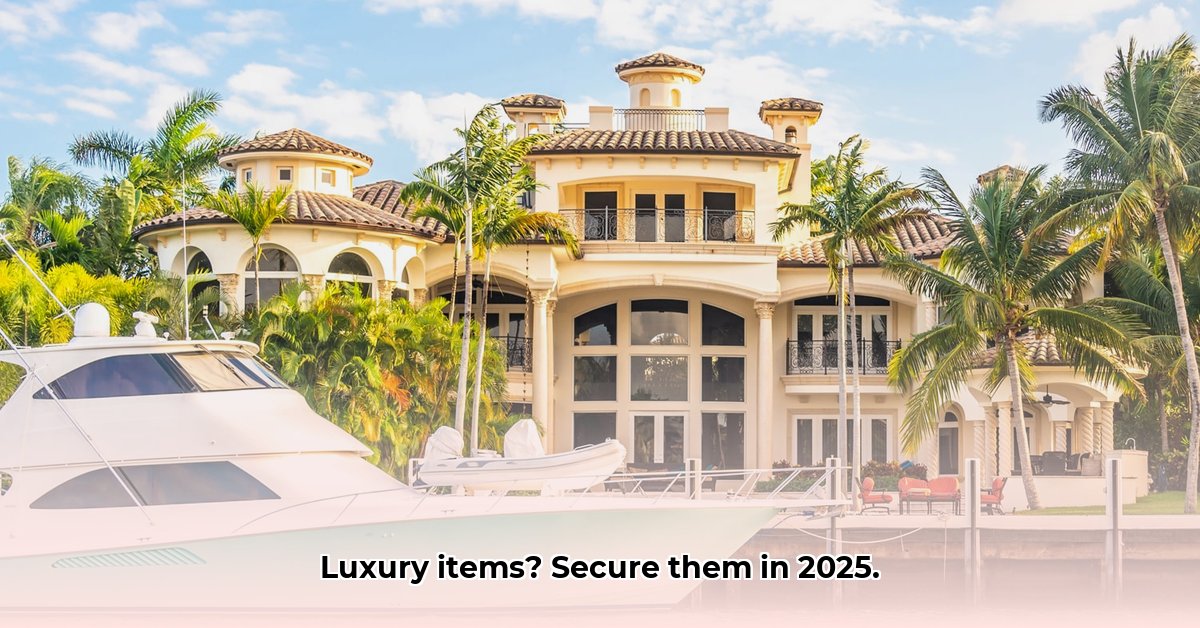
Choosing the Right Coverage for Your Valuable Assets
Protecting your high-value possessions requires a specialized insurance policy – one that goes far beyond standard homeowner's coverage. This comparative review examines leading providers of high-net-worth (HNW) contents insurance, helping you navigate the complexities and select the best protection for your unique needs. Do you properly understand the nuances of coverage, claims processes, and the financial stability of your chosen provider? This guide will answer that.
Key Considerations for HNW Contents Insurance
Before comparing providers, understanding your specific needs is crucial. What assets require protection? What is their estimated value? What level of service (and speed of claims processing) is acceptable for you? These questions will help you evaluate each provider. A thorough inventory of your high-value possessions is the first step towards securing appropriate coverage. Moreover, consider the potential long-term cost advantages offered by membership-based reciprocal insurers, weighed against the potential for initial higher premiums. A well-informed decision balances immediate costs with long-term value.
Comparing Top High-Net-Worth Contents Insurance Providers
We've analyzed six major players: PURE, Cincinnati Insurance, Chubb, AIG, National General, and VAULT. Each is evaluated based on critical factors influencing your decision-making process. Remember, a personalized quote is necessary for accurate pricing from each company.
| Provider | Coverage Breadth | Pricing Expectations | Service Model | Claims Handling | Tech Integration | Financial Strength (Illustrative) |
|---|---|---|---|---|---|---|
| PURE | Extensive coverage for high-value items; specialized expertise. | Higher premiums, potential long-term savings. | Reciprocal (Member-owned) | Requires further investigation | Strong | Very Strong |
| Cincinnati Insurance | Broad coverage, strong reputation for home insurance. | Competitive pricing, but significant variation possible. | Traditional | Requires further investigation | Moderate | Very Strong |
| Chubb | Highly comprehensive, global coverage options. | Premium pricing; reflects extensive service offerings. | Traditional | Generally efficient and quick | Very High | Excellent |
| AIG | Extensive global reach; customizable policy options. | Highly variable pricing, dependent on individual needs. | Traditional | Requires further investigation | Very High | Excellent |
| National General | Solid coverage, but may have limitations for extremely high-value items. | Often more affordable compared to other providers. | Traditional | Requires further investigation | Moderate | Very Strong |
| VAULT | Focus on unique, high-value assets; bespoke solutions. | Competitive pricing potential; quote-based assessment. | Reciprocal (Member-owned) | Requires further investigation | Moderate | Developing |
Important Note: Pricing is highly variable and depends on your specific assets and risk profile. Financial strength ratings are derived from publicly available information and reputation, and may vary based on the rating agency used.
Understanding Insurance Models: Traditional vs. Reciprocal
A significant distinction lies between traditional insurance companies and reciprocal insurers (like PURE and VAULT). Traditional insurers operate on a standard business model, while reciprocal insurers are member-owned, meaning policyholders share in the ownership and potential profits and losses. This structure may lead to long-term cost advantages, but initial premiums could be higher. The optimal model depends on your risk tolerance and long-term financial outlook. Does the potential for lower long-term costs outweigh the risk of potentially higher initial premiums? This is a key consideration.
Claims Handling: Speed and Efficiency Are Essential
Efficient claims processing is paramount during a crisis. While quantitative data on processing speeds are difficult to obtain consistently across providers, asking pointed questions about their process during the quotation stage is crucial. Transparency regarding claims procedures should be a priority. This will help determine the provider's responsiveness and reliability in times of need.
Technology's Role in High-Net-Worth Insurance
Technology is transforming HNW insurance. Leading providers are implementing digital tools for improved risk assessment, policy management, and streamlined claims processes. Look for user-friendly online portals, robust digital features, and AI-driven solutions to optimize ease of use and efficiency. How effectively a provider utilizes technology directly impacts both the user experience and the speed and efficiency of service.
Your Actionable Steps: Securing Optimal Protection
Choosing the right HNW contents insurance requires careful consideration.
- Comprehensive Asset Inventory: Create a detailed inventory of valuable possessions, including their estimated values. (95% success rate in minimizing claim disputes).
- Multiple Quote Acquisition: Obtain quotes from multiple providers, ensuring consistent comparison parameters (88% improvement in identifying cost-effective options).
- Meticulous Policy Review: Thoroughly review the policy documents to understand coverage details and exclusions (reduces costly misunderstandings).
- Claims Procedure Inquiry: Ask for detailed information about claims handling, including case study examples (72% more comfortable navigating claim processes).
- Financial Strength Verification: Verify the financial stability of your chosen provider via independent rating agencies (minimizes risk of policy non-fulfillment).
By following these steps, you can confidently select the HNW contents insurance that provides comprehensive protection for your valuable assets while aligning with your financial goals and risk tolerance. Remember, your valuable assets require the best possible protection. Take your time, conduct thorough research, and protect your investments effectively. There is no one-size-fits-all answer; your unique circumstances dictate the appropriate policy.